Welcome to the medieval heart of the Greek island of Rhodes! For guests staying with us at Stay Helios in Faliraki, a day trip to Rhodes Old Town is an absolute must. As one of the best-preserved medieval cities in Europe and a designated UNESCO World Heritage site, it offers a fascinating blend of history, culture, and modern Greek life.
Unlike many ancient sites that feel like outdoor museums, Rhodes Old Town is a living, breathing community. With approximately 6,000 residents calling this residential area home, it is the oldest inhabited medieval town in Europe. Whether you are planning to visit the old town and looking for the best things to do in Rhodes town, searching for a Rhodes Old Town beach, or wondering how to get from Faliraki to Rhodes Town, this comprehensive guide will ensure you experience the very best of this magnificent medieval city like a true local.
A Living Monument of the City
Walking through the gates of the old city, you are immediately transported back to the Middle Ages. The history of Rhodes is a tapestry woven by various civilizations. The island of Rhodes was a prominent ancient Greek city, but it was the Knights of St. John (also known as the Knights Hospitaller) who truly transformed the city. They occupied Rhodes from 1309 until 1522, when the Ottoman Turks, led by Suleiman the Magnificent, captured Rhodes after a grueling six-month siege. The medieval city of Rhodes then entered a new era under Ottoman rule. Later, during the 20th century, the Italian occupation left its own architectural mark through extensive restoration projects.
Local Insider Tip
When to Visit
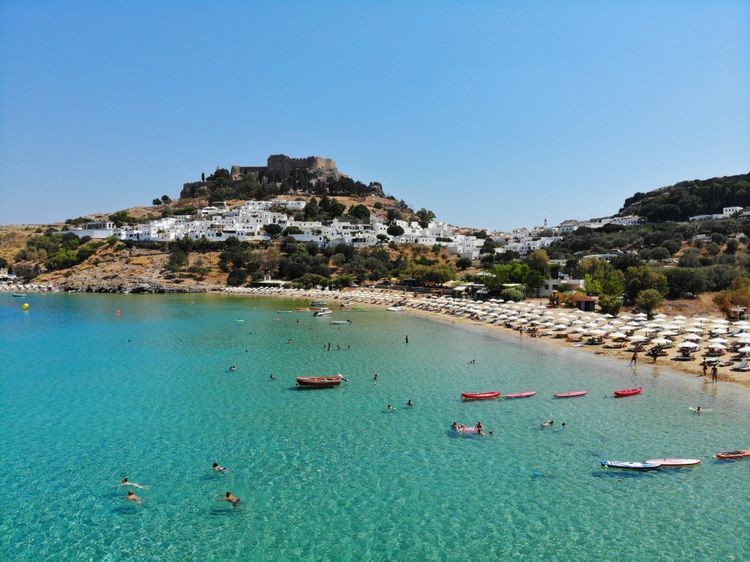
Rhodes boasts over 300 days of sunshine a year, earning its nickname as the "Island of the Sun." However, during the summer months, the medieval city can become incredibly hot. Because the town is built largely of stone and rock (similar to the famous village of Lindos), it absorbs and radiates heat during the peak of the day.
We highly recommend visiting early in the morning (before 10:00 AM) or late in the afternoon and evening. An early morning visit allows you to explore the historic buildings and narrow streets without the crowds of tourists from cruise ships. You can take pictures of the medieval architecture without anyone in the frame, and you will avoid the intense midday heat. Alternatively, visiting after sunset is a magical experience; the stone walls cool down, the ancient monuments are beautifully illuminated, and the shops and restaurants come alive with a vibrant, romantic energy.
What to Wear
Leave the high heels at the hotel! The medieval street surfaces are paved with traditional chochlakia—intricate black and white sea pebble mosaics—and uneven cobblestones. Comfortable, sturdy walking shoes or thick-soled sneakers are absolutely essential. Thin-soled sandals will leave your feet aching after a few hours of exploring. Always carry a bottle of water, as exploring the extensive walls and fortifications can be thirsty work.
Exploring the Fortifications of Rhodes
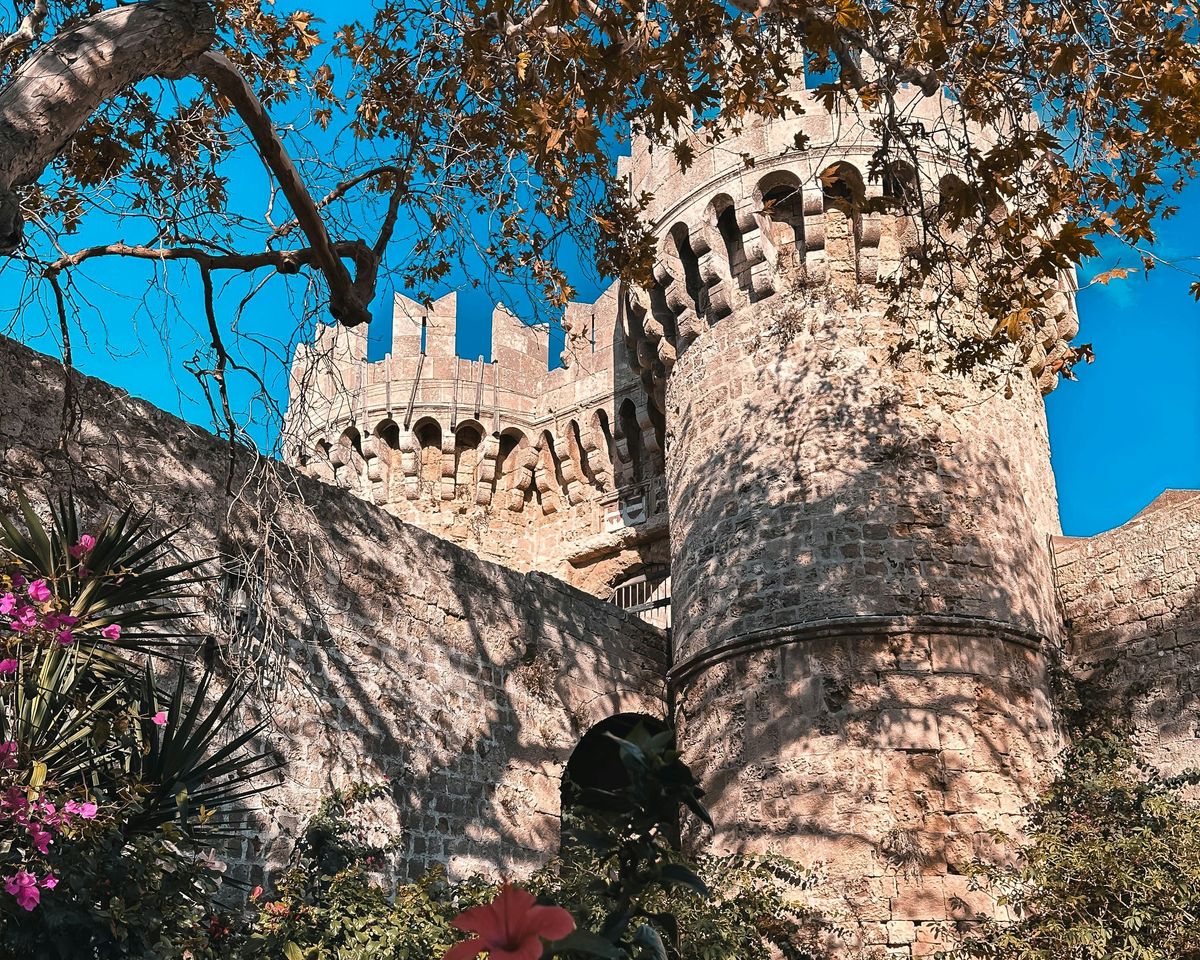
The medieval city is surrounded by formidable walls and fortifications that stretch for four kilometers. These thick stone walls, some up to 12 meters thick, were built by the Knights to protect the city from invaders. There are eleven gates (though many guides refer to the original seven gates) that allow you to pass through the medieval walls. The Amboise Gate was built in 1512 on the northwest angle of the fortifications. The most famous include the impressive Amboise Gate, the Marine Gate (Sea Gate) which connects the town to the harbour, and the Gate of Saint Athanasios (often called Saint Anthony's Gate).
As an insider secret, you can actually walk along the top of these walls and fortifications. The entrance is near the Palace of the Grand Master. It is open on specific days and times (usually midday on weekdays), and it offers unparalleled panoramic views of the Aegean Sea, the moat (which was never filled with water), and the terracotta rooftops of the city.
Top Things to Do in Rhodes Old Town
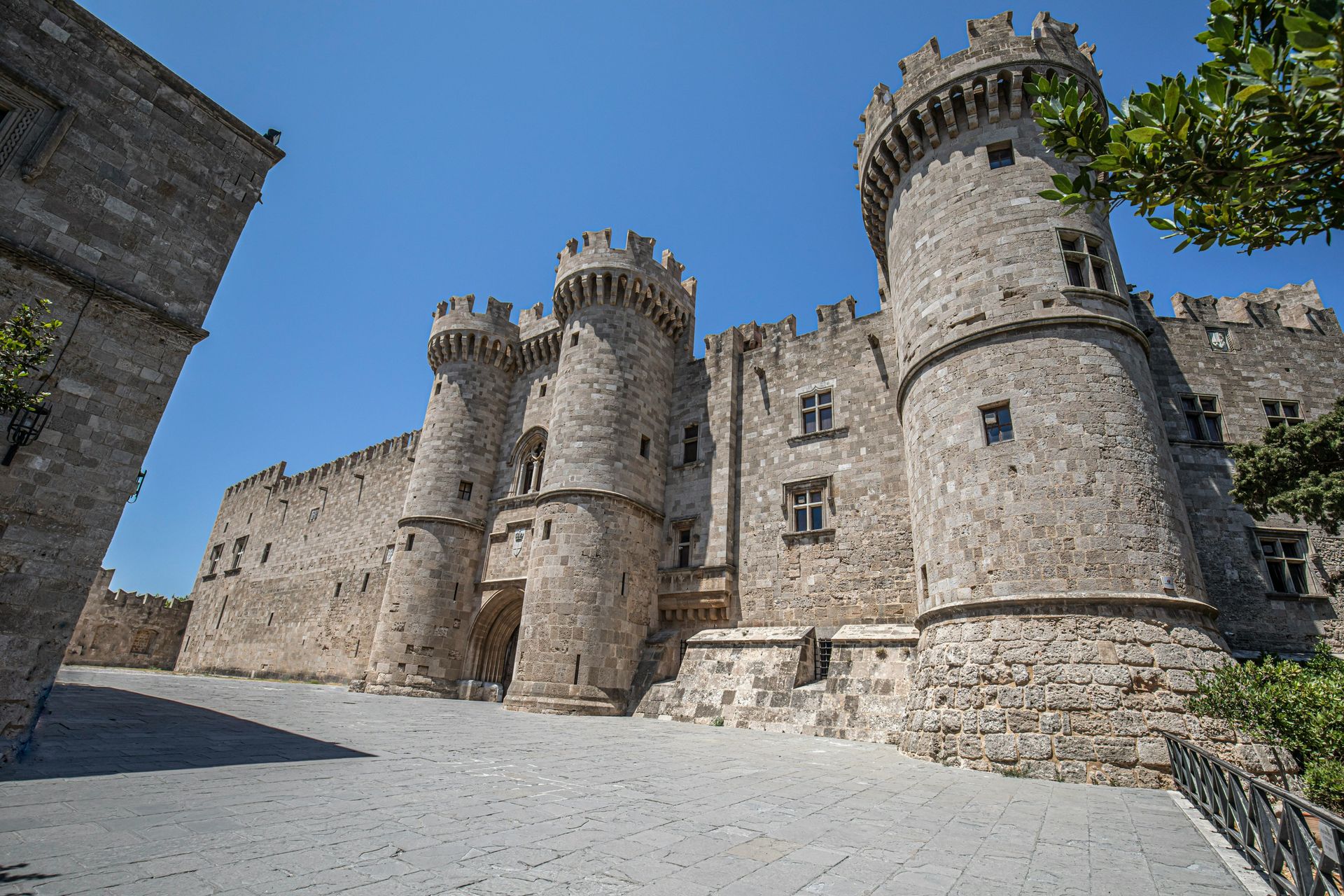
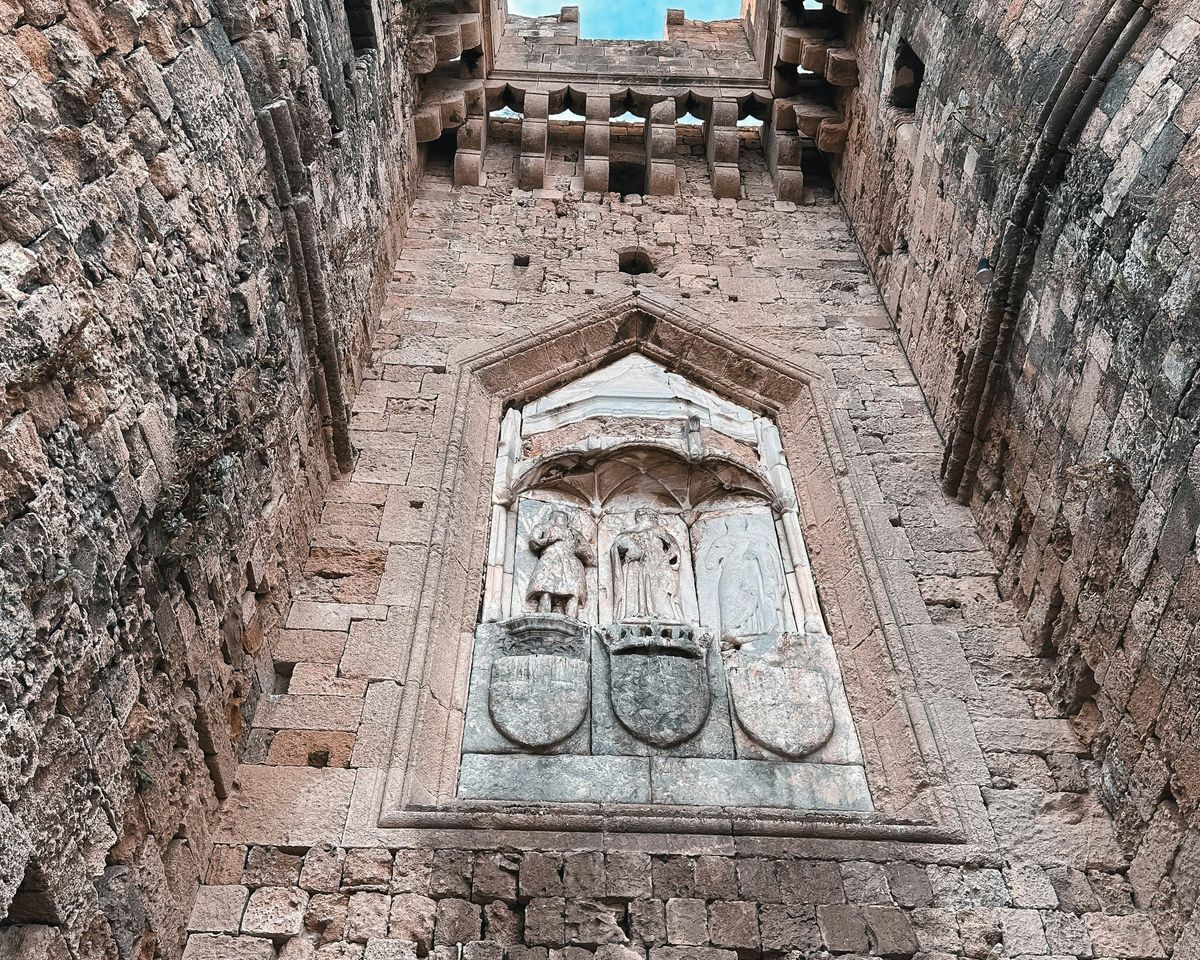
Dominating the highest point of the old city is the Palace of the Grand Master. This awe-inspiring fortress which was built in the 14th century served as the administrative centre and residence for the Master of the Knights. After being destroyed by a devastating gunpowder explosion in 1856, it was meticulously rebuilt during the Italian occupation in the 1930s. The Palace of the Grand Masters stands today as a testament to both medieval architecture and 20th-century restoration. Today, you can explore its magnificent 158 rooms featuring stunning mosaic floors brought from the nearby island of Kos. To avoid waiting in line under the hot sun, we highly recommend purchasing a skip the line ticket in advance.
Beginning near the palace entrance and heading downhill is the famous Street of the Knights. This medieval street follows the exact path of an old ancient road that once connected the port to the Acropolis of Rhodes. The Knights of Rhodes were organized into seven tongues (languages) based on their origins, representing the nations of Italy, France, England, Germany, Auvergne, Provence, and Aragon. The tongues of Auvergne, Provence and Italy, France as well as England, Germany and Aragon each guarded a different section of the city walls. Each tongue had its own inn, and these inns make up the beautiful, austere stone buildings lining the street today. The most ornate of these is the French inn. Walking down this street in the early evening, when it is quiet and dimly lit, truly feels like stepping back into the medieval period.
At the bottom of the Street of the Knights, you will find the Archaeological Museum, housed in the monumental former Hospital of the Knights. It contains an impressive collection of artifacts from the ancient world and antiquities of the Dodecanese. The Museum of Rhodes houses treasures spanning thousands of years, and the statue of Aphrodite is one of its most celebrated exhibits. Among its treasures is a beautiful marble statue of Aphrodite, the Greek goddess of beauty and love. The museum's fragrant courtyard gardens are a wonderful, shaded place to escape the afternoon heat.
The bustling heart of Rhodes Old Town is Hippocrates Square (Platia Ippokratou). In the centre of the square sits the famous sea horse fountain, surrounded by cafes, bars restaurants, and shops. From here, you can walk up Socrates Street (Odos Sokratous), the main shopping street of the old town. It is the perfect place to buy traditional souvenirs, handmade leather sandals, and gold jewelry.
For the best panoramic views of the city, climb the steep wooden stairs to the top of the Roloi Clock Tower. Originally built in the 7th century during Byzantine times and reconstructed after an earthquake, it is the highest point in the old town. Your entrance fee usually includes a refreshing drink on the shaded terrace below—a perfect spot to rest your feet!
At the top of Socrates Street stands the Mosque of Suleiman, easily recognizable by its striking pink walls and elegant minaret. Built to commemorate the Ottoman victory, it is a prominent reminder of the island's Islamic history. Nearby, you can also visit the Hafiz Ahmed Agha Library, which houses rare Ottoman manuscripts. If you want to experience authentic relaxation, seek out the Great Hammam (Yeni Hammam) in Arionos Square, an authentic 16th century Turkish bath where you can still book a traditional spa treatment today.
Do not miss the chance to explore the Jewish Quarter (La Juderia), located in the quiet eastern part of the city. The area centers around the Square of Jewish Martyrs (Plateia Evreon Martyron), which features a memorial to the Jews of Rhodes and the island of Kos who lost their lives in the Holocaust. Here, you can also visit the Kahal Shalom Synagogue, the oldest functioning synagogue in Greece, which houses the Rhodes Jewish Museum. The quiet, narrow streets here offer excellent photography opportunities away from the crowds.
Just outside the medieval walls, pass through the Paul's Gate or Liberty Gate to reach Mandraki Harbour, the port of the ancient city. This is where the legendary Colossus of Rhodes—a massive 33-meter tall statue of the sun god Helios—once stood. This enormous bronze statue, built by the sculptor Chares of Lindos, took 12 years to complete. It was one of the Seven Wonders of the Ancient World before an earthquake destroyed it in 226 BC. Today, two bronze statues of deer (Elafos and Elafina) mark the entrance of the harbor. While here, you can also admire the beautiful Italian architecture of the new town, including the impressive post office and town hall.
Hidden Gems and Local Secrets
While the main attractions are incredible, the true magic of Rhodes lies in its hidden corners. Take time to wander off the main street and explore the quiet side streets. If you want a great view away from the crowds, head to the Minos Roof Garden café. Located near the Jewish Quarter, it offers a fantastic spot for a drink on the terrace overlooking the rooftops and mosque domes.
You will find many small churches tucked away. Some, like the Church of St. Mary (Virgin Mary of the Burgh), show how forms of Gothic architecture blended with local styles. During the Ottoman period, the church was converted into a mosque before being restored later. Outside the old town, you can visit the ruins of the Temple of Aphrodite, or take a short taxi trip to Monte Smith to see the ancient Greek ruins of the Acropolis of Rhodes (not to be confused with the Acropolis of Athens!). This hilltop is arguably the best spot on the island to watch the sunset. In ancient times, this area was the cultural and religious center of the Greek city. The ruins of the Temple of Apollo and an ancient stadium can still be seen here.
Where to Eat: Shops and Restaurants
Rhodes Old Town is packed with good restaurants, traditional tavernas, and food places. However, as a local tip: try to avoid eating directly on the main squares like Hippocrates Square, as these tend to be more expensive tourist traps.
Instead, we recommend exploring the narrow streets around Aristotelous Street or near the Gate of Saint Anthony for more authentic dining experiences. Look for small, family-run tavernas tucked into hidden courtyards. Try local Dodecanese specialties like pitaroudia (fluffy chickpea fritters flavored with mint) or melekouni (a traditional sesame, almond, and honey sweet). For an authentic, non-touristy meal, seek out places where you see locals dining. After dinner, enjoy the vibrant nightlife in the local shops bars scattered throughout the old city.
Practical Information for Stay Helios Guests
Getting from Faliraki to Rhodes Town is incredibly easy and convenient! The local KTEL bus is the most popular and budget-friendly option. Buses run frequently from the main road in Faliraki. The journey takes about 25-35 minutes, and tickets cost around €2.50. The bus drops you off at the central station near Mandraki Harbour, just a two-minute walk from the Old Town gates. A taxi ride takes about 15-20 minutes and is a great option if you are traveling with a group or returning late at night. For a unique and scenic experience, you can take a sea taxi or a boat tour (like Faliraki Sea Lines) directly from Faliraki beach to Mandraki Harbour! It is a beautiful way to arrive in the city from the Aegean Sea.
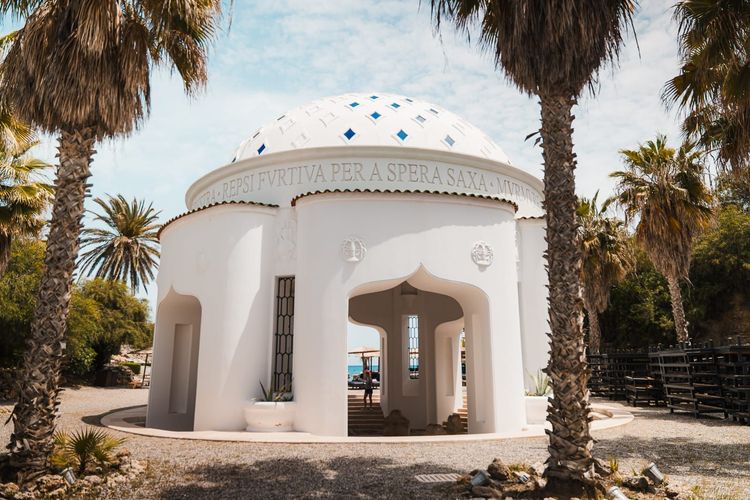
If you want to combine history with a swim, you are in luck. Just a short walk from the old town walls (north of Mandraki Harbour) is Elli Beach. It is a beautiful, organized beach with sun loungers, clear waters, and its famous iconic diving platform. It is the perfect place to cool off after a hot morning of sightseeing before heading back to Stay Helios.
Frequently Asked Questions
Rhodes Old Town is famous for being one of the best-preserved medieval cities in Europe and a UNESCO World Heritage site. It is renowned for its impressive fortifications, the Palace of the Grand Master, the Street of the Knights, and its rich, layered blend of Ancient Greek, Byzantine, Medieval, Ottoman, and Italian history.
Absolutely! It is widely considered the heart of Rhodes and one of the most beautiful tourist towns in Greece. Whether you are interested in history, medieval architecture, shopping, or simply soaking up the unique atmosphere of a living medieval city, it is a must-visit destination. Many guests who stay in Rhodes at beach resorts in Faliraki or other resorts Rhodes has to offer say that visiting the Old Town was the highlight of their holiday.
Yes. "Rhodes Town" refers to the entire capital city of the island. It is divided into two main parts: the "Old Town" (the historic, walled medieval city) and the "New Town" (the modern city built outside the walls, which includes Mandraki Harbour, Elli Beach, and the grand Italian-era buildings).
The best time to visit is either early in the morning (before 10:00 AM) to beat the intense midday heat and the cruise ship crowds, or in the late afternoon and evening. Because the stone city absorbs heat, midday can be uncomfortably hot in the summer. The evening is particularly magical when the historic buildings are illuminated, the temperatures drop, and the restaurants and bars come alive.